Mehr als 3.000 Tonnen pro Tag – WWF fordert zum Internationalen Tag gegen Lebensmittelverschwendung verbindliche Reduktionsziele und erleichterte Lebensmittelspenden
WWF: Österreich verschwendet täglich rund 140 Lkw-Ladungen Lebensmittel
mehr lesen


Mexico City, 28 September 2010 – Leaders from influential global corporations and key global environmental organizations are expected to call on countries to make a success of this year’s UN climate negotiations in Mexico, at the Business for Environment – B4E – conference on 4 and 5 October in Mexico City.
Al Gore, the former US Vice President and global advocate for climate action, as well as Sir Nicholas Stern, formerly chief economist to the World Bank and Chief advisor to Gordon Brown, and lead author of the Stern review on the economics of climate change, will address leaders of global corporations, key global environmental organizations, governments and international agencies.
B4E raises a global business voice in favour of a global playing field with common legal basis for reducing emissions and dealing with adaptation. Participants will discuss the best ways for a rapid transition to a low carbon economy, share practices and strategies for innovation, and outline the policy measures needed to boost their implementation.
WWF and its partners UNEP, the UN Global Compact, and Global Initiatives – aim specifically for an open exchange between the business community, civil society and governments to share and explore trans-formative solutions to tackle climate change, support vulnerable communities and protect and restore biodiversity and ecosystems.
"Many leading businesses are already acting to reduce their climate impact," said James Leape, Director General of WWF International. "These businesses recognize it makes business sense to be ahead of the curve, to improve the energy efficiency of their operations and to seize emerging opportunities. But, to move the whole economy on to a low-carbon path, we need to level the global playing field, and this requires a binding international climate agreement. Cancun must deliver the next step towards this goal."
"Climate change, rather than just an environmental concern, must be addressed considering its implications for development. The B4E Business Summit comes at a time of great challenges and opportunities for the global economy and we are convinced that the commitments and proposals from the business community will encourage negotiators from the countries participating in the COP16 to reach concrete and ambitious agreements to address climate change and promote sustainable development " said Omar Vidal, Director General of WWF-Mexico.
In its Climate Savers program, WWF works with companies to help them reduce their emissions, using its global reach, scientific expertise and in-depth knowledge across a full spectrum of environmental issues .
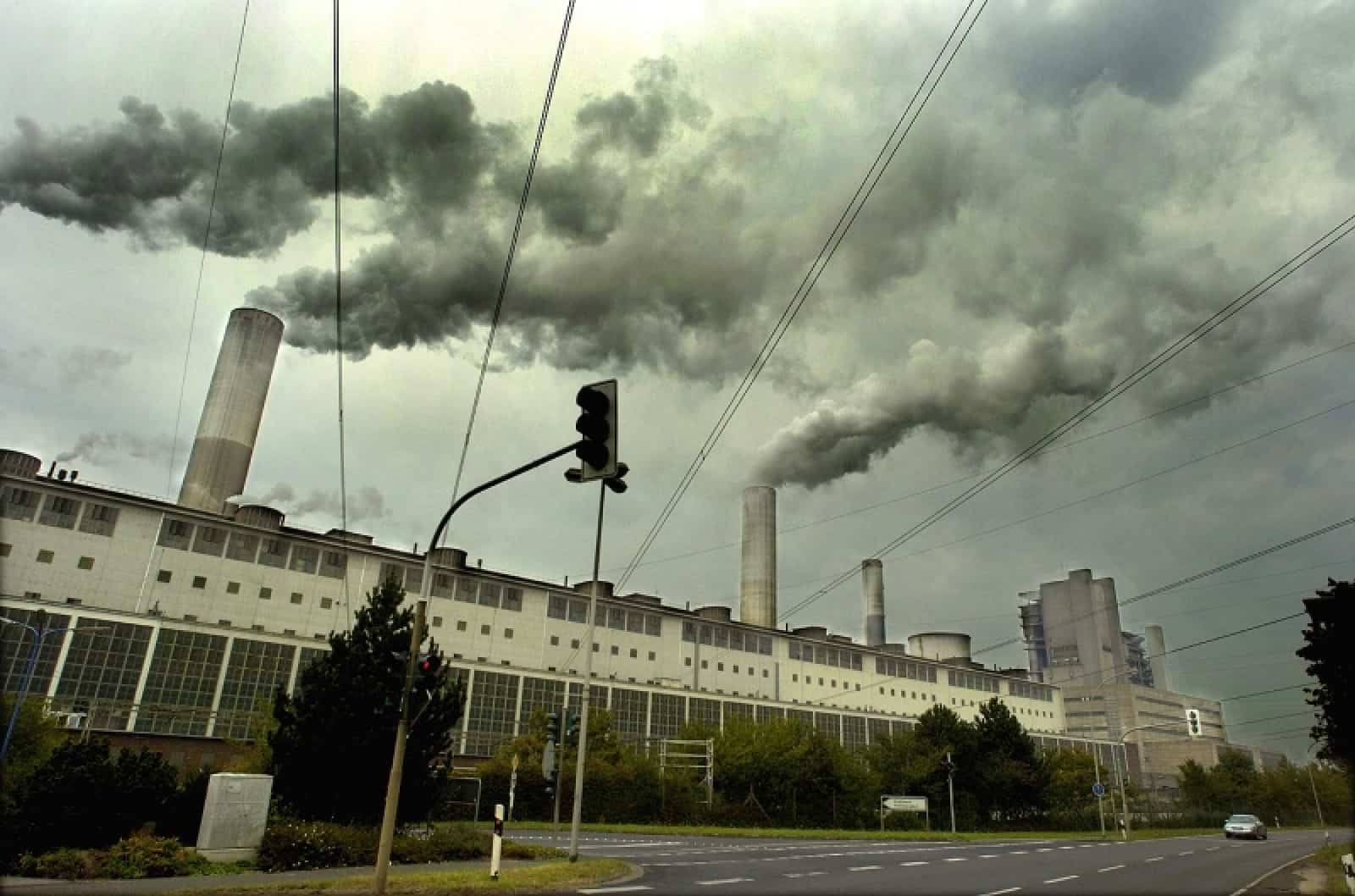
The B4E global business meeting has been taking place on a yearly basis since 2008 with the aim to create a forum where the delegates find collaborative solutions to address the most urgent environmental and climate issues the world is facing today.
KEY ISSUES:
The central challenges to which the business community and governments need to find answers are:
●Cutting carbon emissions: Companies can collectively cut carbon emissions supported by appropriate legislation and taxing schemes that enables the industries to move even further down the path of sustainability, clean energies and cutting emissions. By increasing efficiency, Climate Savers companies are saving hundreds of millions of dollars, proving again that protecting the environment makes good business sense.
●Joint efforts: Climate change can only be stopped if joint action is taken. At B4E, CEOs and top-level executives join government leaders, international agencies and civil society organizations – from both industrialized and developing countries – to discuss and agree on innovative solutions that ensure a sustainable future for all.
●Adequate legislation needs to stake out the path for business and industry towards more sustainable development. Yet at this point in time, many businesses show far more advanced initiatives than the actions that governments are prepared to set in law.
WWF MEDIA INFORMATION:
Media are invited to attend. For now they can register online. A national registration contact will be available next week.
Conference website:
http://www.b4esummit.com/
Climate and business information
http://wwf.panda.org/what_we_do/how_we_work/businesses/climate/
Business case studies
http://wwf.panda.org/what_we_do/how_we_work/businesses/climate/climate_savers/climate_savers_publications/?184823/WWF-Climate-Savers-Innovations-Case-Studies
WWF media blog on climate and energy
http://blogs.panda.org/climate/category/press-information/
WWF climate policy site
http://wwf.panda.org/what_we_do/footprint/climate_carbon_energy/climate_agreement/climate_policy/
WWF SPOKES PEOPLE:
James Leape, Director General, WWF International, Switzerland
Omar Vidal, Director General, WWF-Mexico
Vanessa Perez-Cirera, Director climate change programme, WWF Mexico
MEDIA CONTACTS:
MMag. Franko Petri
Medienleiter WWF Österreich
Tel. 01-48817-231, franko.petri@wwf.at.
Jatziri Pérez, WWF-Mexico, Mexico City, jperez@wwfmex.org, Tel +52(55) 52 86 56 31 Ext. 223
Mónica Echeverria, WWF-US, Washington D.C., monica.echeverria@wwfus.org
Tel: +1 202 495 46 26
Steve Ertel, WWF-US, Washington D.C., steve.ertel@wwfus.org,
Tel +1 202-495-4562, Mobile +1 2024604641
Ian Morrison, WWF International Business Media Coordinator, imorrison@wwfint.org, Mobile +41 798746853

Im WWF-Newsletter informieren wir Sie laufend über aktuelle Projekte und Erfolge: Hier bestellen!
Mehr als 3.000 Tonnen pro Tag – WWF fordert zum Internationalen Tag gegen Lebensmittelverschwendung verbindliche Reduktionsziele und erleichterte Lebensmittelspenden
Naturschutzorganisation kritisiert Drängen auf mehr Wolfsabschüsse in Italien und Slowenien – Österreichs Schutzpflichten bleiben bestehen
WWF-Bilanz zu fünf Jahren UNESCO-Biosphärenpark Mur-Drau-Donau: Maßnahmen zur ökologischen Aufwertung von über 67 Kilometern Flussabschnitten und Seitenarmen teils abgeschlossen oder in Umsetzung – Pläne für weitere 270 Flusskilometer liegen vor
Vor 8 Monaten wurden die Tiroler Bison-Kuh Ina und ihre Herde nach Aserbaidschan umgesiedelt. Und das Projekt zeigt Erfolge: Die Herde hat sich gut eingelebt und es wurde sogar bereits das erste Kalb geboren.
Scharfe Kritik zum Begutachtungsende: Kontrollrechte bei Großprojekten fallen weg – Naturschutzanwaltschaft an 20 Stellen beschnitten – Schutzstreifen an naturnahen Ufern auf fünf Meter reduziert
Europäische Führungskräfte befragt: 55 Prozent bewerten Folgen der EU-Deregulierung negativ oder gemischt – WWF fordert verlässliche Umweltpolitik statt Zick-Zack-Kurs
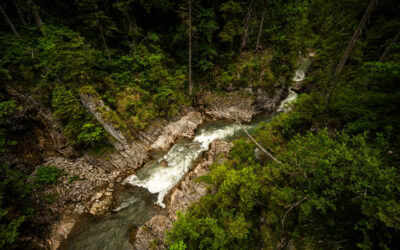
Massiver Eingriff in geschützten Bach wird als ökologisch unbedenklich dargestellt – WWF kritisiert Schönfärberei und fordert Projektstopp
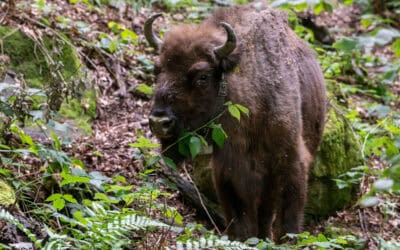
WWF-Auswilderungsprojekt mit europäischen Bisons zeigt Erfolge: Herde gut eingelebt, erstes Kalb geboren – Population steigt auf 90 Tiere – GPS-Sender verfolgen Bewegungen – Weitere Auswilderungen geplant
WWF kritisiert EU-rechtswidrige Verordnungen und ausgehebelte Einzelfallprüfungen – Tötungen können zwei Jahrgänge von Jungtieren treffen – Vorrang für Prävention gefordert