Wien/Brüssel, 10. März 2008: WWF Presseinformation für Fernsehanstalten und Onlinemedien
Climate Trackers: 35 Tiere erzählen über ihre Erfahrungen mit dem Klimawandel
Der WWF eröfffnet heute am 10. März seine europaweite Climate Trackers Kampagne. In Zusammenarbeit mehrerer nationaler WWF-Büros in Europa freuen wir uns den österreichischen Fernsehanstalten und Onlinemedien ab heute kostenfrei 35 Video-Clips anzubieten.
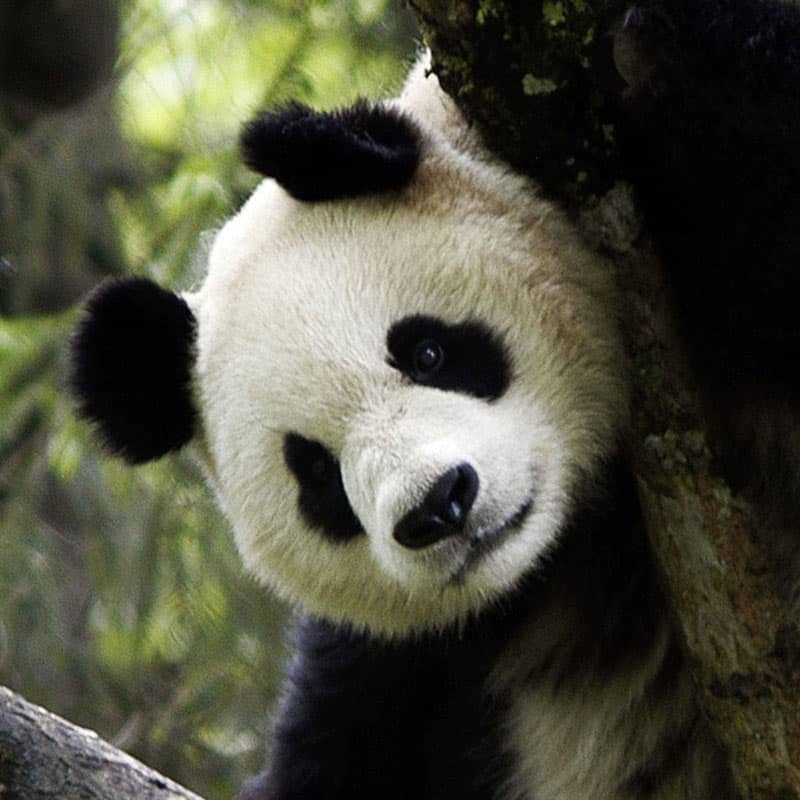
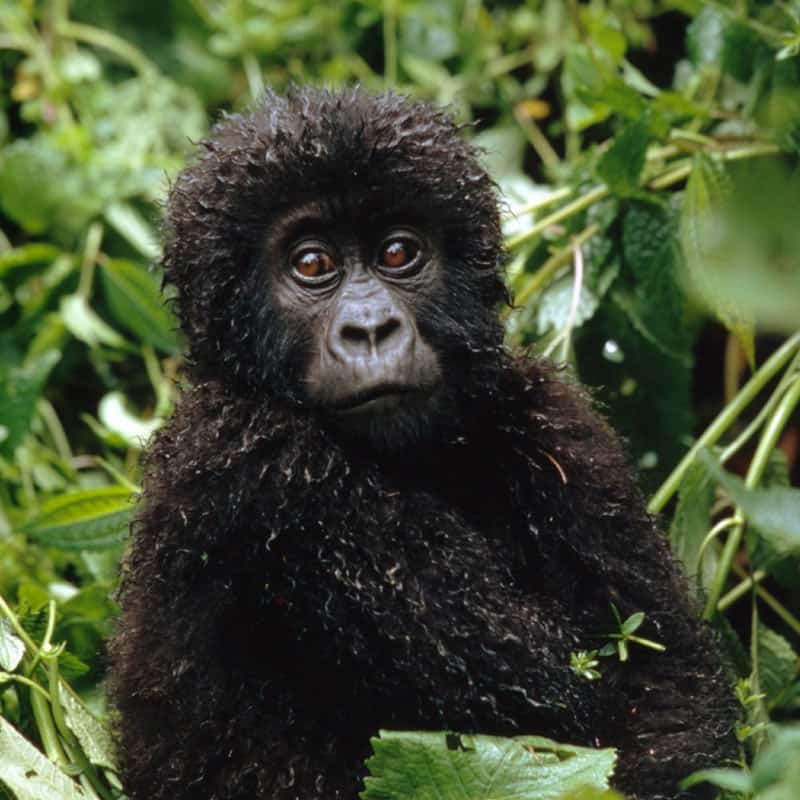
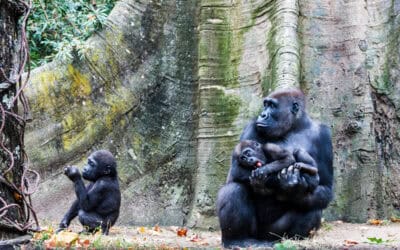
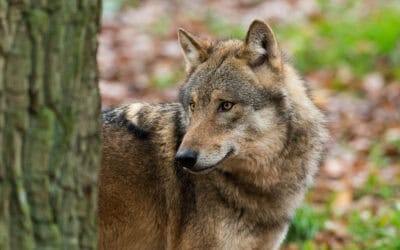
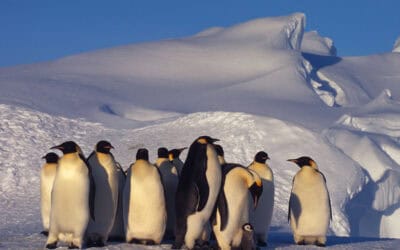
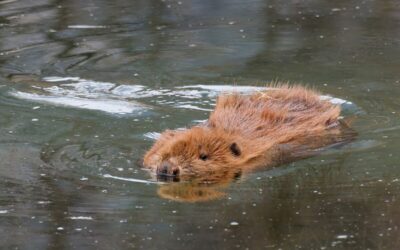
In jedem Clip erzählt ein Tier, wie es vom Klimawandel betroffen ist und es darunter leidet. Auf den Clips sind Eisbären, Orang Utans und Delfine, aber auch Tiere zu sehen, die in Österreich vorkommen. Sinn der Aktion ist es, den Menschen mit berührenden Bildern die Tragweite des Klimawandels näher zu bringen und ein Bewusstsein für die Notwendigkeit von Maßnahmen dagegen zu entwickeln (siehe Presseaussendung unten).
Die Clips sind in Englisch und müssen von einem Sprecher der Fernsehanstalt vertont werden. Die Texte liegen in deutscher Sprache vor. Die Clips können in TV- oder Internettauglichem Format bestellt werden.
Weitere Informationen, die Beschreibungen sowie die Clips selbst finden Sie auf http://www.climatetrackers.net/ und http://www.climatetrackers.net/press und weitere Informationen unter http://www.tvlink.org/vnr.cfm?vidID=268&lg=en
Presseaussendung im englischen Original
EU-Presseaussendung WWF, Montag, 10. März 2008 Climate change described by animals
The WWF has launched the CLIMATE TRACKERS campaign to encourage European citizens to take action against global warming
Brussels, 10 March 2008 – WWF-Belgium, with the support of the European Commission, has launched CLIMATE TRACKERS, a European campaign to combat climate change. Its originality lies in presenting global warming through the eyes of selected animals. The campaign’s objective is to encourage Europeans to get involved in combating global warming. 35 video clips describe the degree to which the species’ lives and habitats have already changed due to global warming. The animals speak directly to each of us, encouraging us to change our behaviour before it is too late.
According to reports from the IPCC, even a slight rise in temperatures can threaten the survival of a great many wildlife species. Disappearing habitats, changing migration conditions, the increasing scarcity or inaccessibility of the creatures on which they feed – all of these things are visible effects of global warming on the lives of animals and the functioning of the ecosystems in which they live.
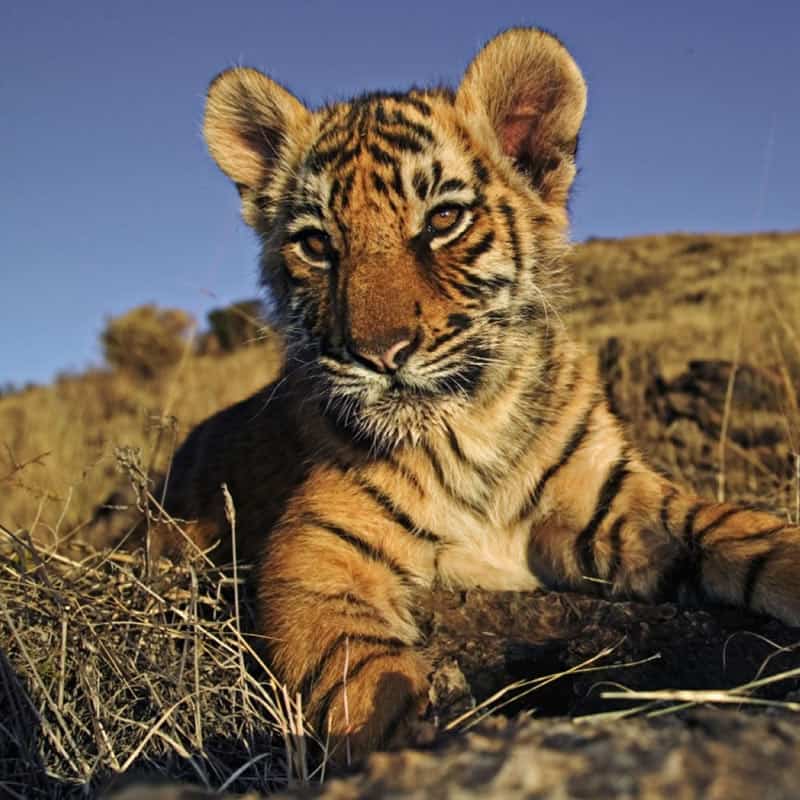
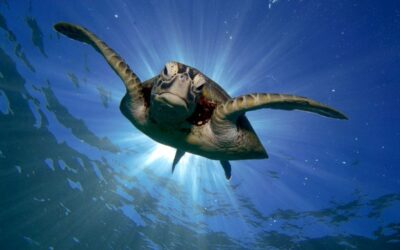
Here are some of the examples that are used in the WWF Climate Trackers campaign: at the North Pole, the melting of the sea ice is threatening polar bears and forcing baby seals to enter the water before they are ready to meet its dangers; in both the Arctic and Antarctica, the food chain on which all polar wildlife depends is in turmoil. In the North Atlantic, ocean currents are shifting, taking away the small fish on which puffin chicks are fed. All across the planet, the sea level is rising, destroying the sites where sea turtles lay their eggs and flooding the hunting grounds of the Bengal tiger. Spring is coming earlier and earlier, so that insects emerge sooner and have disappeared by the time migratory birds arrive in the lands where they breed. The seas are becoming warmer and more acidic, destroying the coral and disrupting the development of molluscs. Rising temperatures in the nests of reptiles such as alligators and sea turtles are upsetting the balance between male and female embryos, endangering the future reproduction of these species. Global warming is causing many animal and plant species to migrate, as far as they are able to, in order to find climatic conditions which are more suitable for them.
Environment Commissioner Stavros DIMAS said: "Global warming is one of the most serious threats to our planet. Not only does it aggravate natural catastrophes such as floods and droughts, but as the CLIMATE TRACKERS campaign clearly shows, it also has a serious impact on the variety of species on Earth."
The aim of the WWF’s CLIMATE TRACKERS campaign is to inform the ordinary people of Europe about the effects of climate change on biodiversity, and to encourage them to reduce their impact on the climate. In each of the campaign’s 35 clips, an animal bears witness to the effects of climate change which are already visible in its environment, and urges viewers to do something to reduce their CO2 emissions. For more information, visit the campaign website: www.climatetrackers.net
For further information:
Jan DEROM, Head Press and Events, WWF-Belgium,
+32 2 340 0956, +32 498 905 951, jan.derom@wwf.be
Natacha BERTIAUX, Press Officer, WWF-Belgium,
+32 2 340 0992, +32 498 52 59 51, natacha.bertiaux@wwf.be
Anne-Kirstine de CARITAT, CLIMATE TRACKERS Coordinator, WWF-Belgium,
+32 2 340 0952, +32 495 511 999, ak.de.caritat@wwf.be
Notes to editors:
– 35 TV clips are made available to television channels in order to reach as many viewers as possible. The clips can also be viewed on the CLIMATE TRACKERS campaign website: www.climatetrackers.net.
– www.climatetrackers.net is an interactive website which describes concrete actions that people can take to reduce their impact on the climate. Visitors can use a calculator on the website to measure their CO2 emissions. Everyone is invited to reply to the questions asked, and to pledge to reduce their individual impact on the climate. A count is kept on the website of all the pledges made.
– Partners of the campaign: WWF-Belgium (coordination), WWF-Hungary, WWF-Poland, WWF-Austria, Belgian Federal Science Policy Office (Belgium), Université libre de Bruxelles (Belgium), Triangle7 (audiovisual production and services) (Belgium), Mostra (institutional communication) (Belgium), European Space Agency (ESA). With the financial support of the European Commission and Tetra Pak.
– The WWF is one of the largest international organisations for nature conservation, and is also one of the most experienced. It is active in over a hundred countries and has more than five million supporters worldwide. The WWF’s goal is to hand on a living planet to future generations. It works to conserve wildlife species and their natural habitats: forests, wetlands and oceans. The WWF also helps find solutions to pollution, wastage of natural resources, and global warming.
Support the WWF’s campaigns by visiting www.wwf.be