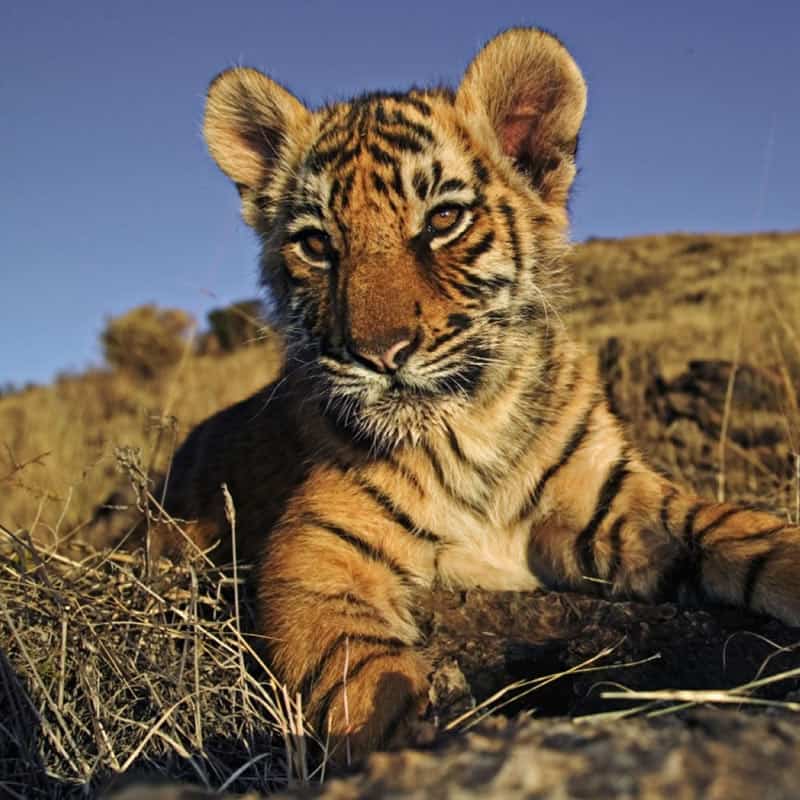
Extrem seltene Sichtung in Nordchina: Eine Amur-Tigerin streift dort mit gleich 5 Jungtieren durch die Wälder.
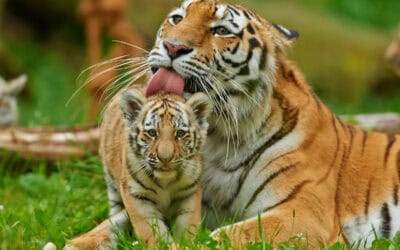
Good News: Rekordverdächtige Tiger-Großfamilie in China gesichtet
mehr lesen

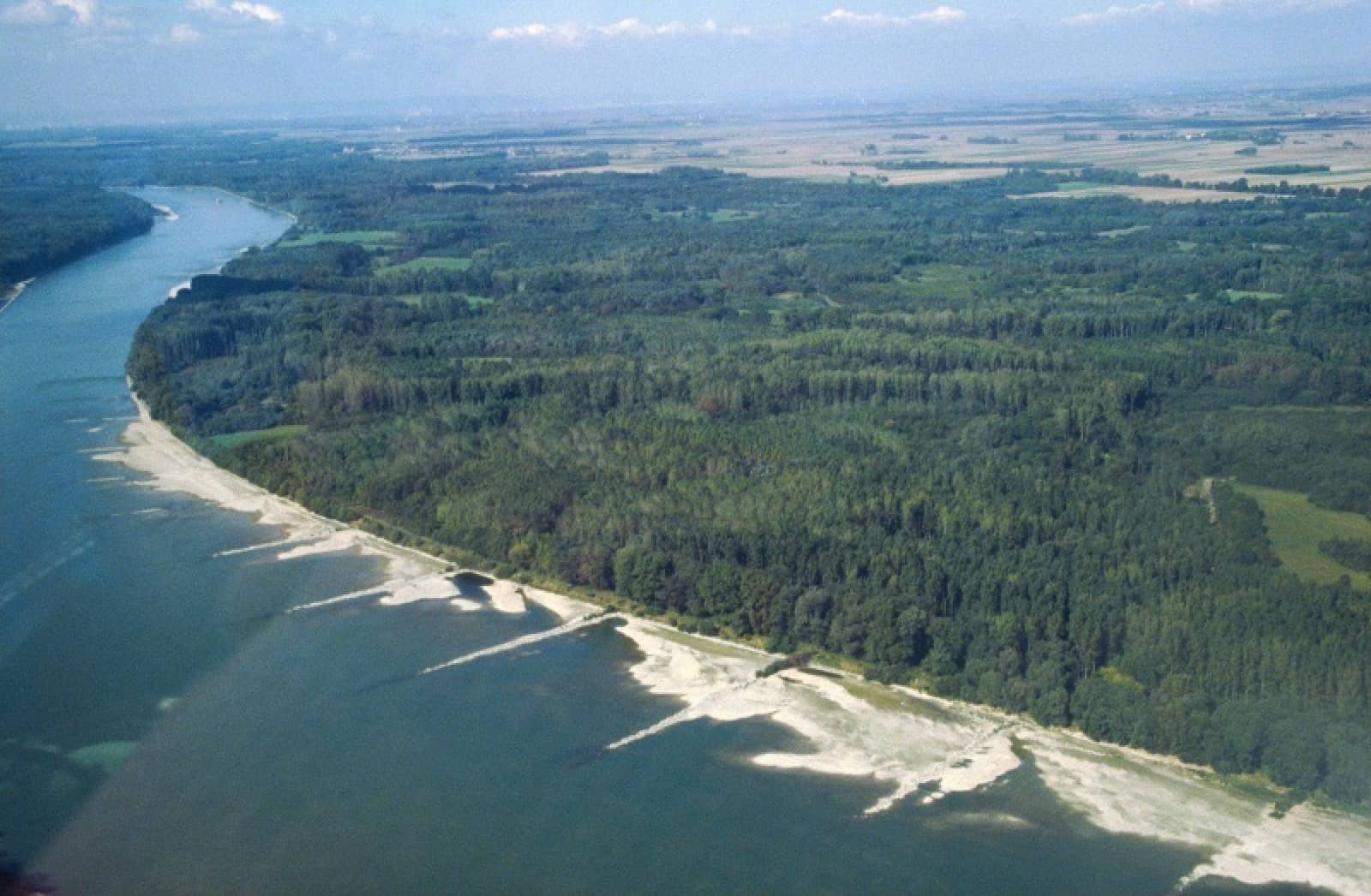
Belgrade, Bucharest, Munich, Sofia, Vienna, Zagreb, June 26th, 2012 – At a high-level meeting of the International Commission for the Protection of the Danube River tomorrow in Innsbruck, Austria, representatives of Danube basin countries discuss for the first time how to prevent new hydropower projects from damaging river ecosystems of the 800.000 km2 large basin. The NGO networks WWF, the International Association for Danube Research (IAD), the European Anglers Alliance (EAA) and the Danube Environmental Forum (DEF) call for basin wide criteria for identifying ecologically important river landscapes too valuable for energy production.
“We call on governmental authorities to agree on a minimum set of common criteria for mapping those river sections of highest need for protection in order to fulfil the EU-wide binding Water Framework Directive and nature conservation objectives” Irene Lucius of WWF Danube Carpathian Programme said, while Gerhard Nagl of the Danube Environmental Forum (DEF) stressed: “Without clear-binding international rules for river biodiversity protection in the Danube River Basin our last free flowing rivers, a rarity in Europe, will be sacrificed for short-sighted interests without solving the world´s burning climate change problems.”
In Austria, for example, damming the last rivers with hydropower potential would help meeting the growing energy demand of the country for five years only, but causing not reversible damage to the remaining 13 percent of intact rivers. In the German Danube land of Bavaria, hydropower potential is largely exhausted while the remaining natural rivers stretches are jewels to be protected for future generations.
In many Danube basin countries, such as Bulgaria, Croatia, Romania, Serbia, and Ukraine, the potential for increasing energy efficiency and therefore lowering the demand for energy is enormous. This shows that only a mix of measures, first of all energy saving and the use of different renewable energy sources can be the long-term solution.
Many planned hydro-dams would be situated in protected areas or would severely harm these, and therefore counteract the protection efforts on national and EU-wide level. It is therefore of paramount importance not to locate new plants in areas where ecological value is highest, and so to reduce damage. As the environment knows no borders, areas of high and low ecological importance should be defined on the basin level, not nationally, but Danube governments are hesitant to allow such “interference” for the common good. In the opinion of NGOs, the International Commission for the Protection of Danube River must therefore over the coming months facilitate agreement by Danube basin countries to respect exclusion areas, where hydropower development is not allowed in order to maintain outstanding natural values.
“More than 80 million inhabitants of the Danube basin profit from the multitude of ecosystem services provided by healthy rivers: from providing natural retention areas soaking up flood waters to producing fish and drinking water” says Helmut Belanyecz of the European Anglers Alliance (EAA). “The wave of new hydropower plants puts these vital functions at risk. Although hydropower is more climate-friendly than fossil fuels plants, other options exist that can meet climate and energy goals more sustainably,” Jürg Bloesch of IAD adds.
Hydropower plants impact river systems in various ways. Their dams prevent fish and other organisms from moving to their spawning or feeding grounds. They also alter the natural shape and movement of rivers, which changes both river and floodplain habitats of e.g. birds and diminish the self-cleaning properties of rivers.
Note for editors
The 14 countries of the Danube basin working together under the umbrella of the International Commission for the Protection of the Danube River (ICPDR) have decided to develop “Guiding Principles on Hydropower Development”. Several regional NGO networks, in particular WWF, IAD, EEA and DEF, participate in this process as observers. Besides a “concept of a strategic planning approach for facilitating hydropower development in accordance with relevant legislation in the context of renewable energy, water management, flood protection, biodiversity and nature protection”, the document will also provide guidance for reducing environmental impact of individual plants.
Contacts:
Irene Lucius, Head of Policy, WWF Danube Carpathian Programme, Vienna, Tel. +43676842728215, E-Mail: ilucius@wwfdcp.org
Jürg Bloesch, International Association for Danube Research (IAD), Zurich, Tel.: +41522123638, E-Mail: bloesch@eawag.ch,
Helmut Belanyecz, Österreichisches Kuratorium für Fischerei und Gewässerschutz (ÖKF)/EAA, Vienna, Tel. +43 664/252 7264, E-Mail: helmut.belanyecz@kone.com
Gerhard Nagl, Danube Environmental Forum (DEF), Deggendorf; Tel. +499913831609,
E-Mail: gerhard.nagl@donaufluss.de
Roland Gramling, WWF Germany, Press Officer, Berlin, Tel. +49 30 / 311 777 425, E-Mail: roland.gramling@wwf.de

Im WWF-Newsletter informieren wir Sie laufend über aktuelle Projekte und Erfolge: Hier bestellen!
Extrem seltene Sichtung in Nordchina: Eine Amur-Tigerin streift dort mit gleich 5 Jungtieren durch die Wälder.
Report zeigt wirtschaftliche Risiken des Verlusts von Arten und Ökosystemen – WWF fordert Gegensteuern – „Wer ohne Rücksicht auf planetare Grenzen wirtschaftet, sägt am eigenen Ast“
Naturschutzorganisation bereitet Abbruch von zwei Dämmen vor und vernetzt 57 Flusskilometer – Radlbach und Lieser damit für Fischarten wieder verbunden
WWF: Sauberes Wasser, geschützte Arten und Naturschätze durch EU-Pläne massiv bedroht – Über 50 Umweltverbände mobilisieren gegen Angriffe
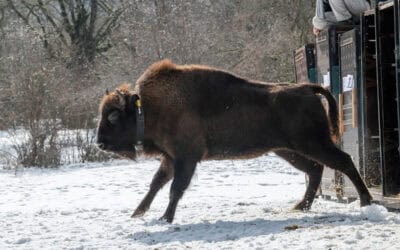
Es war der Start eines großen Abenteuers für 18 Wisente: Die Tiere konnten erfolgreich im Kaukasus ausgewildert werden und somit in ihre Heimat zurückkehren. Darunter auch Ina, eine selbstbewusste und forsche Kuh aus Innsbruck.
Naturschutzorganisation siedelt Wildrinder in ihrer Heimat Aserbaidschan an – Kuh „Ina” aus Innsbruck ist eines von 18 Tieren – WWF: „Paradebeispiel für internationalen Artenschutz”
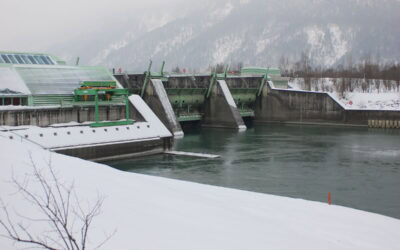
129 heimische Stromanbieter von WWF und GLOBAL 2000 analysiert – TIWAG aufgrund von mangelnder Transparenz und fehlender naturverträglicher Strategie nur auf Platz 116
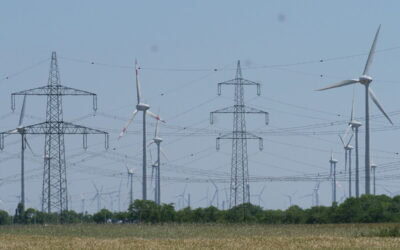
WWF und GLOBAL 2000 analysieren 129 heimische Stromanbieter: Nur drei Vorreiter gekürt, schlechtes Zeugnis für viele Landesenergieversorger

Geheime Vereinbarungen erst nach Gerichtsbeschluss offengelegt – WWF fordert volle Transparenz, unabhängige Kontrolle und neue Spielregeln für künftige Verträge