Naturschutzorganisation kritisiert Drängen auf mehr Wolfsabschüsse in Italien und Slowenien – Österreichs Schutzpflichten bleiben bestehen
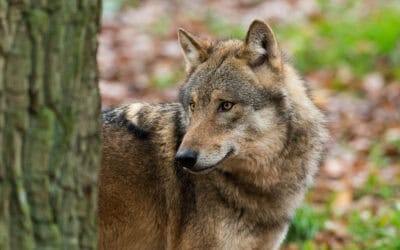
WWF warnt vor Ausweitung von Kärntens rechtswidriger Abschusspolitik
mehr lesen


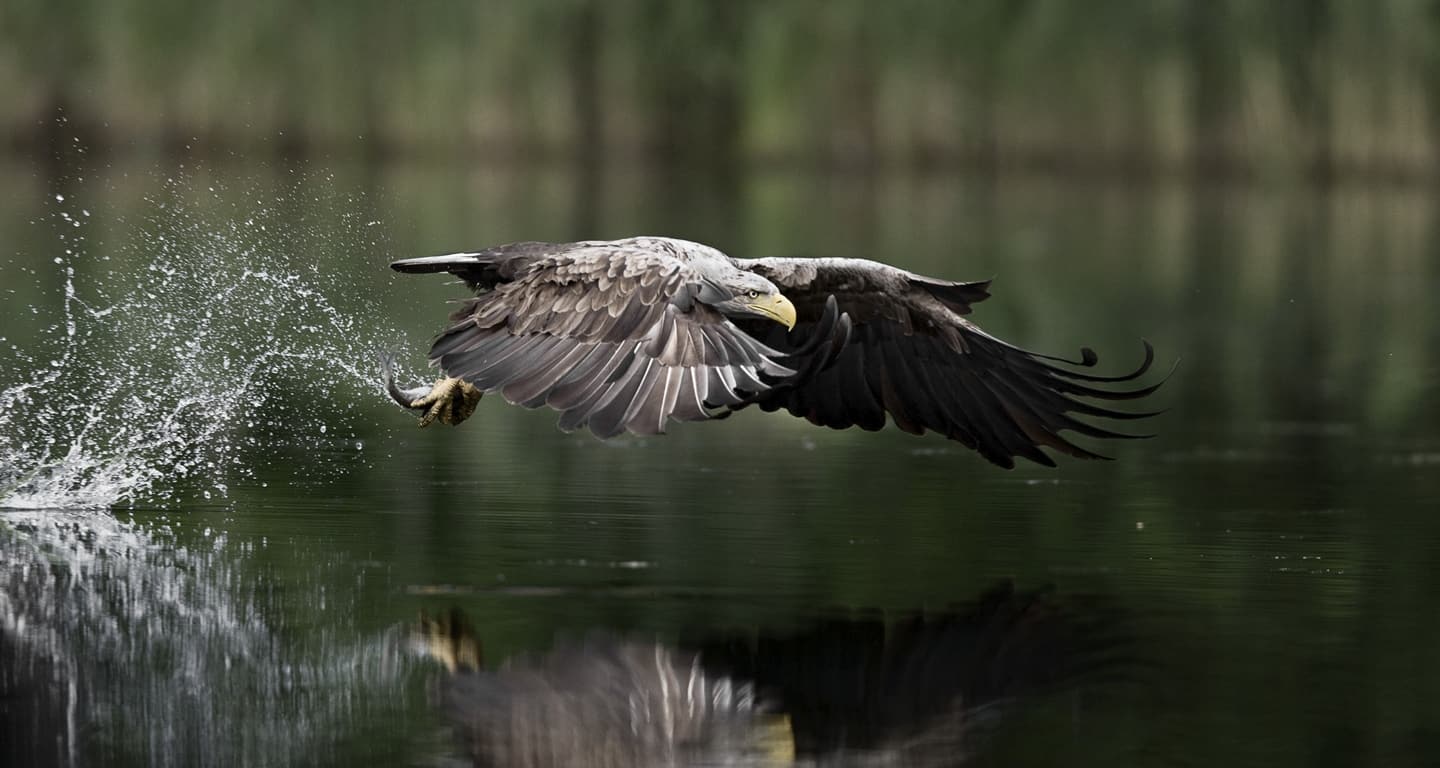
Wien, Zagreb, Budapest, Belgrad, 31. Januar 2014 – Mitte Januar schritten freiwillige Vogelkundler von NGOs aus Slowenien, Kroatien, Ungarn, Serbien und Österreich über 3.000 Flusskilometer ab, um überwinternde Seeadler und Wasservögel zu zählen. Sie waren entlang der Donau, sowie der Unterläufe von Drau und Mur unterwegs – im Rahmen der ersten grenzübergreifend durchgeführten Seeadler-Zählung der Donauländer und der traditionellen Winter-Wasservogelzählung. Das Ergebnis ist besonders für die Länder des künftigen UNESCO-Biosphärenreservats Mur-Drau-Donau (Ungarn, Kroatien, Serbien, Slowenien und Österreich) erfreulich: 100.000 Wasservögel, wie Gänsesäger, Kormorane, Graugänse und Silberreiher wurden gesichtet – darunter auch 230 Seeadler, besonders majestätische Vertreter der Vogelwelt. Diese größten Greifvögel im Donauraum sind Symbol für die Naturschätze der Flüsse und Auen am so genannten "Amazonas Europas". Ihr bedeutendstes Vorkommen liegt im Dreiländereck Ungarn, Kroatien und Serbien, wo drei Schutzgebiete über 200 Adlern Lebensraum bieten.
Mehr Infos:
Over 230 White-tailed Eagles and 100.000 other waterbirds counted in the floodplains of Mura, Drava and Danube
Osijek, Zagreb, Budapest, Vienna, Belgrade, January 31st, 2014 – Mid January, voluntary counters of a dozen NGOs from Slovenia, Croatia, Hungary, Serbia and Austria were monitoring 3.000 river kilometres along the Danube, as well as along the lower stretches of the Drava and Mura rivers. The bird watchers were taking part in the traditional international mid-winter waterfowl count coordinated by Wetlands International, as well as in the first synchronous Danube-wide White-tailed Eagle winter census. The result is pleasant: in the countries of the future pentalateral Biosphere Reserve “Mura-Drava-Danube”, a total of 100.000 waterbirds, such as Goosanders, Great Cormorants, Greylag and White-fronted geese or Great Egrets were spotted. Amongst them are 230 individuals of White-tailed Eagles, majestic birds that are symbol for the natural treasures of the rivers and floodplains in the so-called “Amazon of Europe”.
The highest density of White-tailed Eagles was – once more – found in the border region of Hungary, Croatia, and Serbia that forms the center of the Biosphere Reserve: over 200 individuals were observed in the Duna-Dráva National Park (Hungary), the Kopački rit Nature Park (Croatia), and the Gornje Podunavlje Special Nature Reserve (Serbia). “That proves the perfect suitability of these wetlands that are not only a top breeding habitat for the eagles but also a hot spot for the wintering large raptors”, stresses Tibor Mikuska from the Croatian Society for Bird and Nature Protection.
Lower Danube, Drava and Mura rivers: Hot spot of rare habitats and species
“The recent waterbird count clearly highlights those areas to be under international conservation focus timely on 2nd of February, when the RAMSAR-Convention is celebrating the international world wetlands day”, says Arno Mohl, international freshwater expert at WWF Austria. “The impressing data will serve as an important argument for the stronger protection of the rivers that are still threatened by current destructive infrastructural projects such as the planned regulation of the Croatian-Serbian Danube stretch in the heart of the Biosphere Reserve”, he adds.
White-tailed Eagles require big and connected floodplain areas with old trees to breed and with enough prey – mainly fish, waterbird and mammals – to feed. Large protected areas play a key role in their preservation and well-being because there is a low level of disturbance by human activities. Therefore, cross-border conservation efforts are of vital importance for the population of these eagles and many other threatened birds that use the rivers and their intact floodplains to breed, rest and feed. A better knowledge on the best wintering areas helps to empower the conservation efforts.
The Amazon of Europe is growing
Following the Croatian-Hungarian UNESCO designation of 630.0000 ha in 2012, Serbia nominated its 177.000 hectares Danube area to the puzzle of the future 5-country Biosphere Reserve “Mura-Drava-Danube” at UNESCO’s Man and Biosphere Programme in Paris last September. After its final designation of UNESCO, which is expected in June 2014, Austria and Slovenia would need to add their portions of the “Amazon of Europe” and lift it to the final Five –Country Transboundary Biosphere Reserve.
Further information on the Biosphere project see: www.amazon-of-europe.com
Contact:
Claudia Mohl, Press Officer WWF Austria , tel. +43 1 488 17-250, E-mail: claudia.mohl@wwf.at

Im WWF-Newsletter informieren wir Sie laufend über aktuelle Projekte und Erfolge: Hier bestellen!
Naturschutzorganisation kritisiert Drängen auf mehr Wolfsabschüsse in Italien und Slowenien – Österreichs Schutzpflichten bleiben bestehen
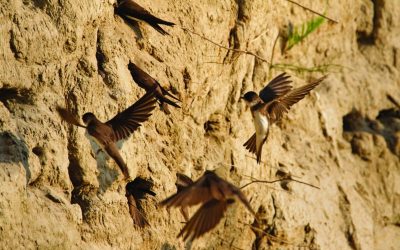
WWF-Bilanz zu fünf Jahren UNESCO-Biosphärenpark Mur-Drau-Donau: Maßnahmen zur ökologischen Aufwertung von über 67 Kilometern Flussabschnitten und Seitenarmen teils abgeschlossen oder in Umsetzung – Pläne für weitere 270 Flusskilometer liegen vor
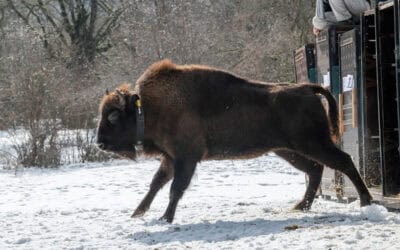
Vor 8 Monaten wurden die Tiroler Bison-Kuh Ina und ihre Herde nach Aserbaidschan umgesiedelt. Und das Projekt zeigt Erfolge: Die Herde hat sich gut eingelebt und es wurde sogar bereits das erste Kalb geboren.
Scharfe Kritik zum Begutachtungsende: Kontrollrechte bei Großprojekten fallen weg – Naturschutzanwaltschaft an 20 Stellen beschnitten – Schutzstreifen an naturnahen Ufern auf fünf Meter reduziert

Europäische Führungskräfte befragt: 55 Prozent bewerten Folgen der EU-Deregulierung negativ oder gemischt – WWF fordert verlässliche Umweltpolitik statt Zick-Zack-Kurs
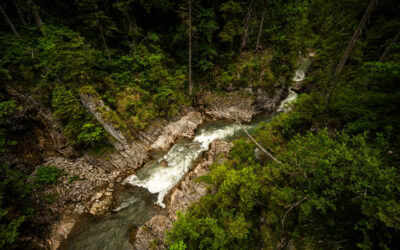
Massiver Eingriff in geschützten Bach wird als ökologisch unbedenklich dargestellt – WWF kritisiert Schönfärberei und fordert Projektstopp
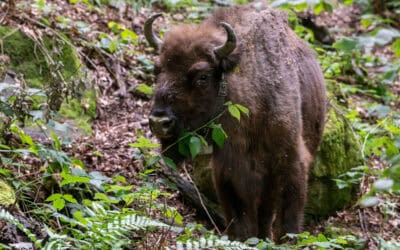
WWF-Auswilderungsprojekt mit europäischen Bisons zeigt Erfolge: Herde gut eingelebt, erstes Kalb geboren – Population steigt auf 90 Tiere – GPS-Sender verfolgen Bewegungen – Weitere Auswilderungen geplant
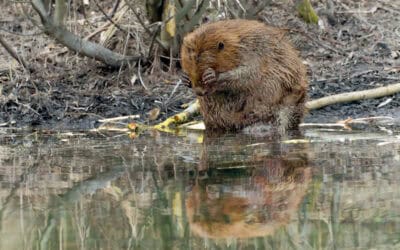
WWF kritisiert EU-rechtswidrige Verordnungen und ausgehebelte Einzelfallprüfungen – Tötungen können zwei Jahrgänge von Jungtieren treffen – Vorrang für Prävention gefordert

Aufnahme ins UVP-Gesetz positiver erster Schritt – WWF fordert niedrigere Schwellenwerte für UVP-Pflicht – In schutzwürdigen Gebieten ist geplanter Wert zehn Mal höher als ökologisch vertretbar