Globale Halbzeitbilanz zeigt unzureichende Umsetzung – WWF fordert wirksame Maßnahmen und gesicherte Finanzierung, auch in Österreich – COP17-Konferenz startet am Montag

Weltnaturkonferenz: WWF warnt vor Verfehlen der 2030-Ziele
mehr lesen

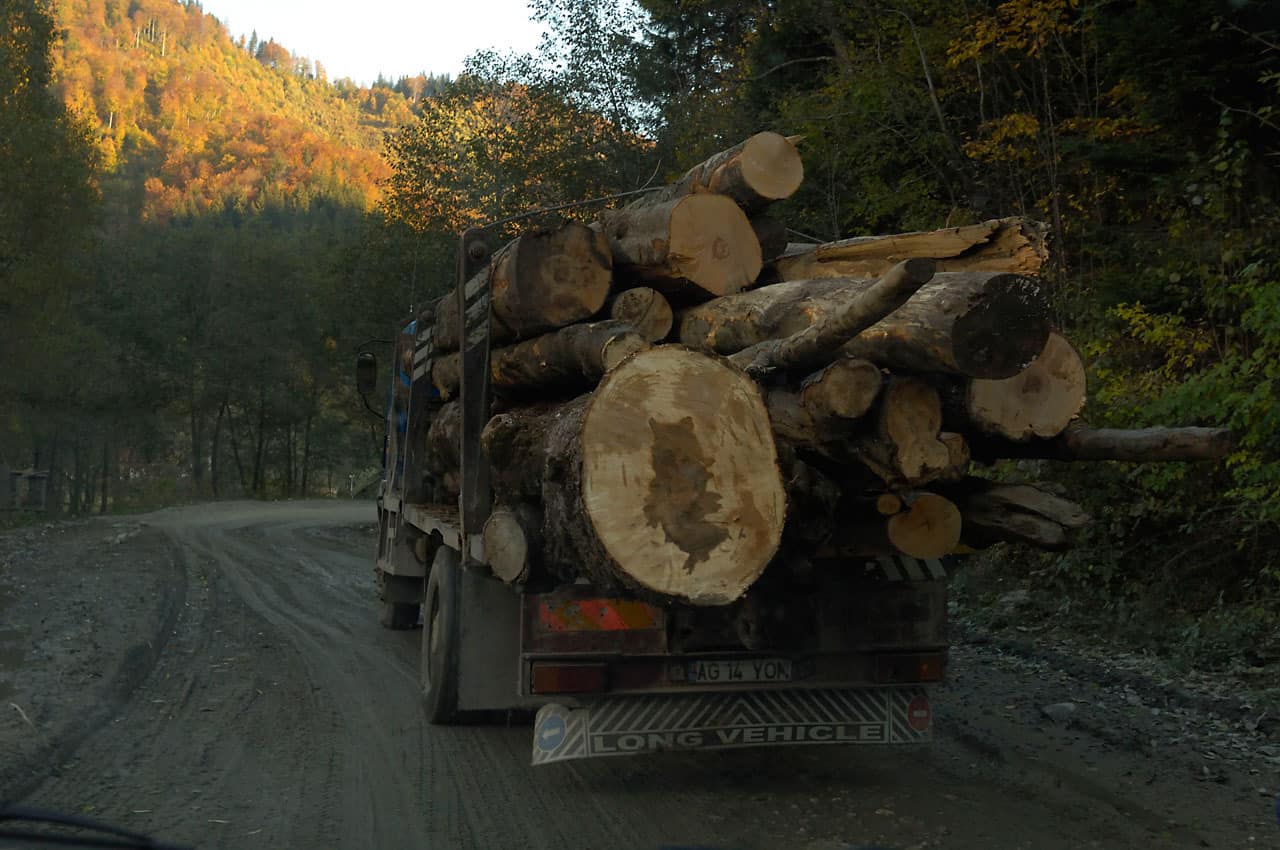
Vienna – The FSC certificate of the Austrian company Holzindustrie Schweighofer was suspended by FSC and the responsible certification body, Quality Austria. The move comes after protests by NGOs, including WWF. The environmentalists had earlier filed a complaint describing violations of FSC issuance guidelines by Schweighofer and Quality Austria.
“Schweighofer used to hide behind an apparently unjustly issued certificate again and again”,says Johannes Zahnen, WWF expert for forestry policy.
WWF considers the withdrawal of the certificate an important step in solving the Holzindustrie Schweighofer case and in promoting the responsible forest management within the Danube-Carpathian region. There are many indications that, for years, the company had systematically purchased wood from suspicious sources.
The withdrawal of the certificate comes before the conclusion of a comprehensive FSC investigation. Quality Austria, the certifying body, is currently not allowed to issue FSC certificates due to the same investigation.
“FSC obviously does not want to tolerate Schweighofer’s questionable deals anymore”, Zahnen said. ”The company likes to present itself as responsible. But the indications for overexploitation of Romanian forests in the report presented last year by the Environmental Investigation Agency (EIA) and WWF are overwhelming”, Zahnen said.
The withdrawal of Schweighofer’s certificate is a success for Romanian forest conservation. It was issued for supply chains and production areas in Romania and other countries where Schweighofer buys most of its wood.
Theresa Gral, Press officer, WWF Austria, tel. +43 1-48817-216; email: theresa.gral@wwf.at
Johannes Zahnen, WWF expert for forestry policy, mob. +49-151-18854952; email: johannes.zahnen@wwf.de.


Im WWF-Newsletter informieren wir Sie laufend über aktuelle Projekte und Erfolge: Hier bestellen!
Globale Halbzeitbilanz zeigt unzureichende Umsetzung – WWF fordert wirksame Maßnahmen und gesicherte Finanzierung, auch in Österreich – COP17-Konferenz startet am Montag
Umweltschutzorganisation verlangt verbindliches Klimagesetz und wirksamen Renaturierungsplan – Natürliche Schutzmaßnahmen stärken, fossile Großprojekte stoppen
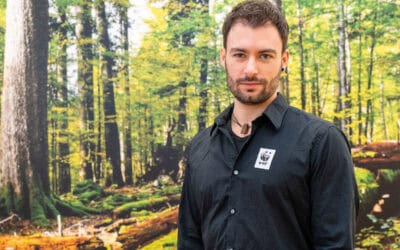
Zum Ende der Begutachtung: Zentrale Maßnahmen fehlen, Finanzierung ungeklärt – Weitreichende Ausnahmen bei Stadtbegrünung – WWF fordert grundlegende Überarbeitung
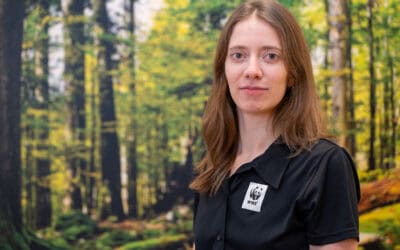
14 Städte untersucht: Planungslücken bei Maßnahmen, Finanzierung und Erfolgskontrolle – WWF fordert langfristige Begrünungsplanung und mehr Unterstützung durch Bund und Länder

Erfasste Populationen seit 1970 um durchschnittlich 73 Prozent geschrumpft – Lebensraumzerstörung größte Bedrohung – Schutzmaßnahmen ermöglichen Erholung einzelner Arten + BILDER und VIDEOS

Erfasste Populationen seit 1970 um durchschnittlich 73 Prozent geschrumpft – Lebensraumzerstörung größte Bedrohung – Schutzmaßnahmen ermöglichen Erholung einzelner Arten
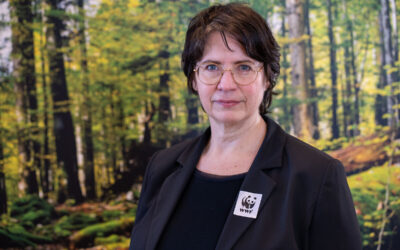
September-Bilanz: Massiver Wassermangel in Flüssen von Niederösterreich bis Vorarlberg – Grundwasserstände bleiben vielerorts niedrig – WWF fordert Schutzprogramm und mehr Renaturierung
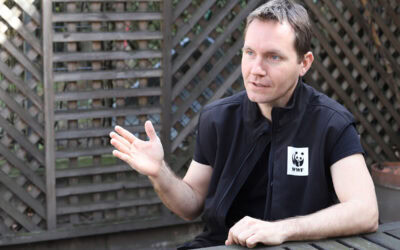
Naturschutzorganisation kritisiert Verharmlosung von Tierleid und fordert Rücknahme des Smile-Sujets – Werberat sollte sich als klares Signal für Werbestopp oder Sujetwechsel aussprechen
Umweltschutzorganisation fordert raschere Umsetzung und umfangreichere Erfassung der Wassernutzung – WWF warnt vor „blinden Flecken“ im Wasserentnahme-Register